
WHERE WE WORK
Projects & Impact
Landfill remediation, live projects, farmland restoration and disaster relief — proof this runs at commercial scale, not just on paper.
FARMLAND & RIVERBANK RESTORATION
Farmland and riverbanks, restored with biochar
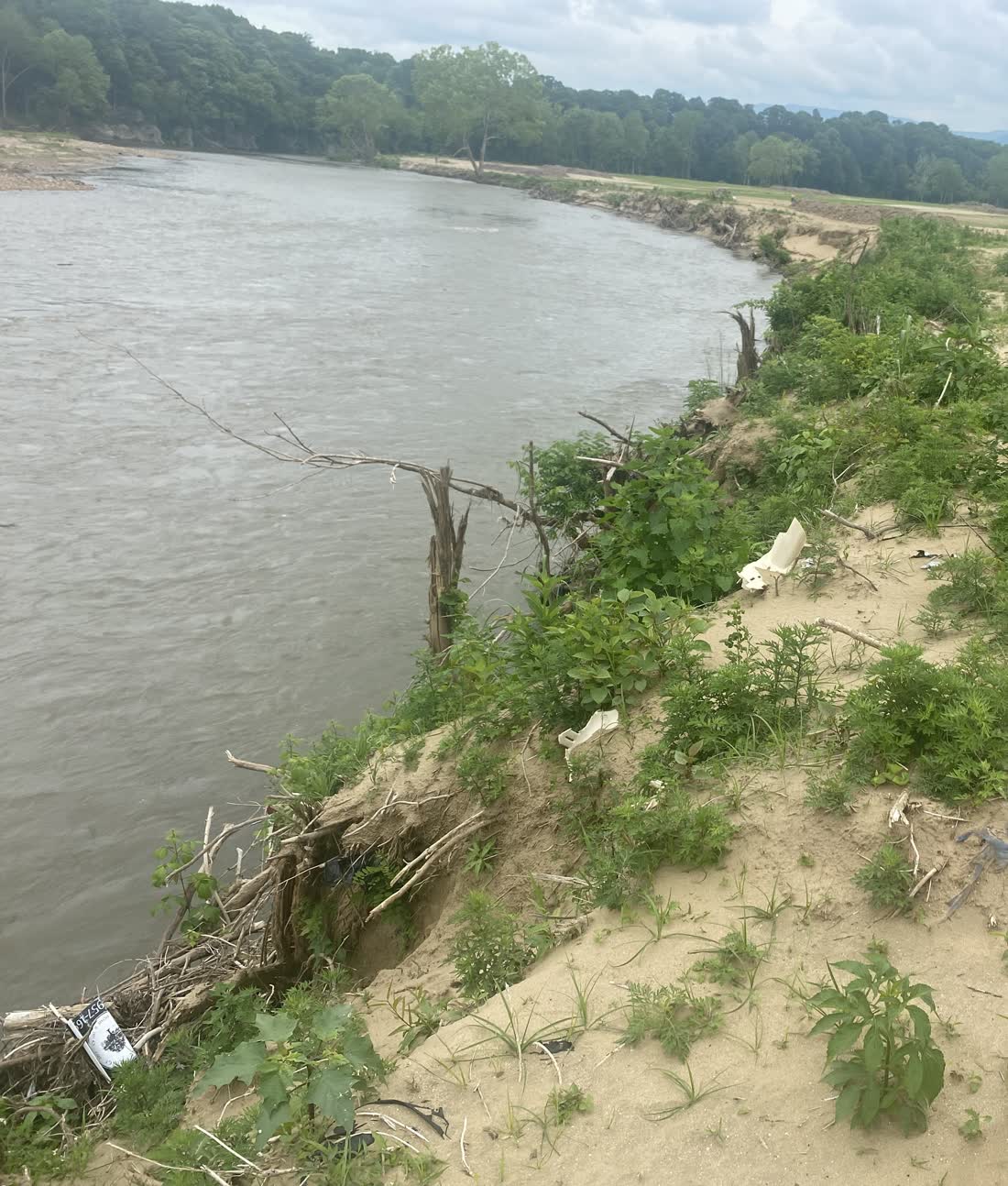
Led by Dr. Forbes Walker, University of Tennessee Extension soil scientist, our biochar-based restoration program turns flood-damaged farmland and eroding riverbanks back into stable, productive ground.
LED BY
Dr. Forbes Walker, University of Tennessee Extension
Dr. Walker designed the soil-chemistry and microbiology testing protocol behind this restoration and led it end-to-end — sampling pH, cation exchange capacity, nutrient availability and microbial activity across a 33-plot trial, and coordinating UT Extension lab analysis throughout. The credit for turning this flood-damaged ground back into productive farmland and stable riverbank is his.
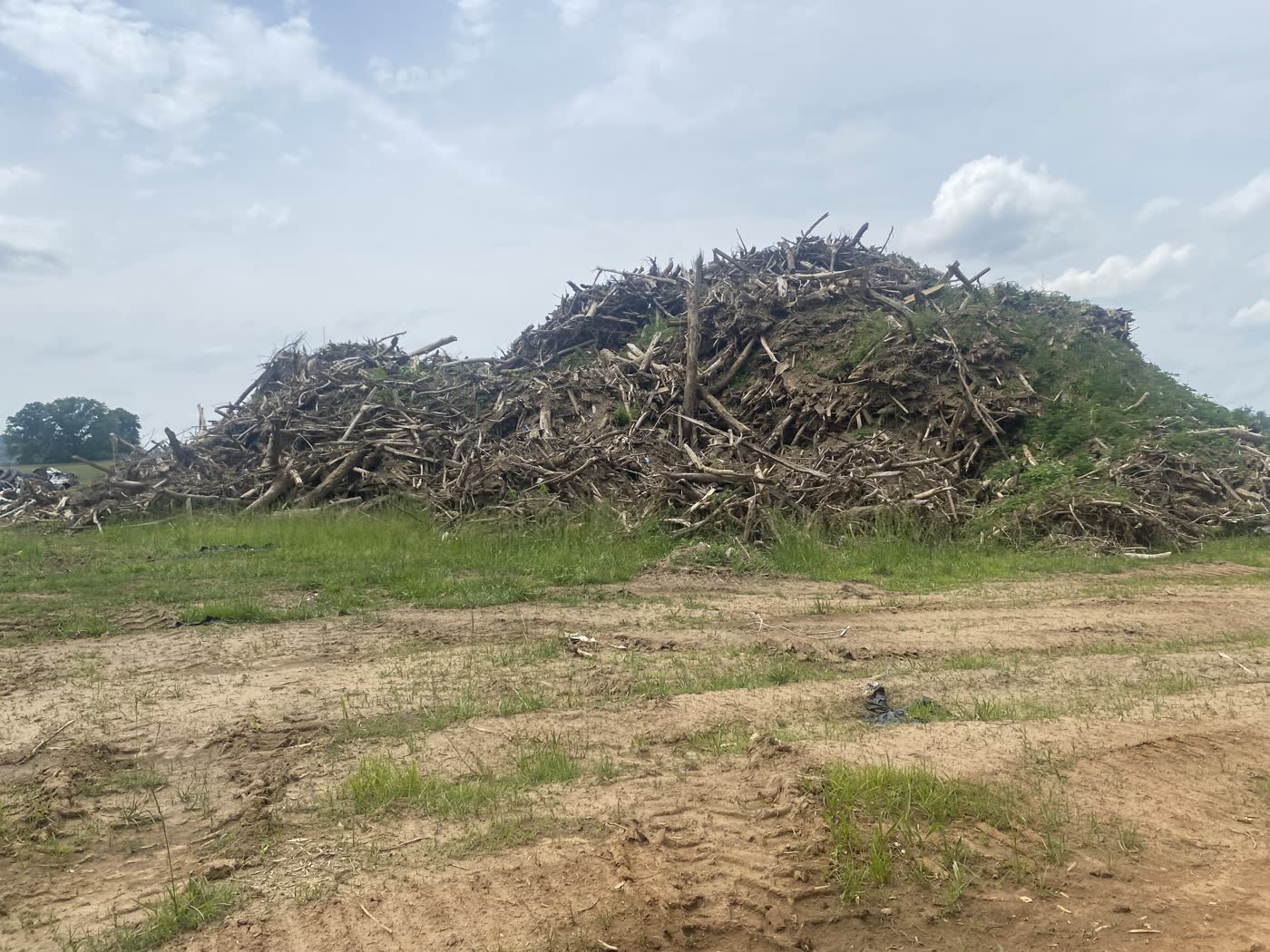
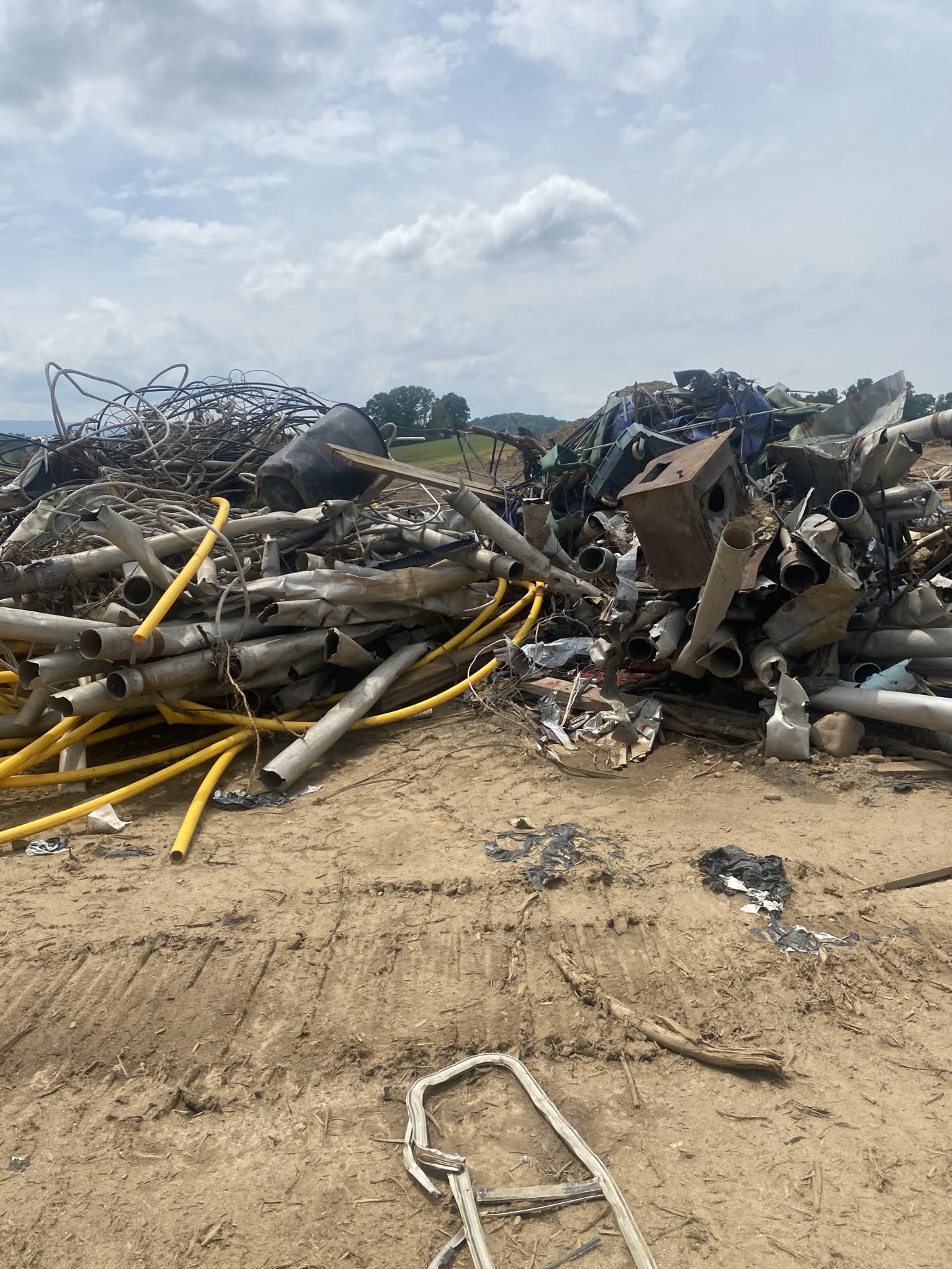
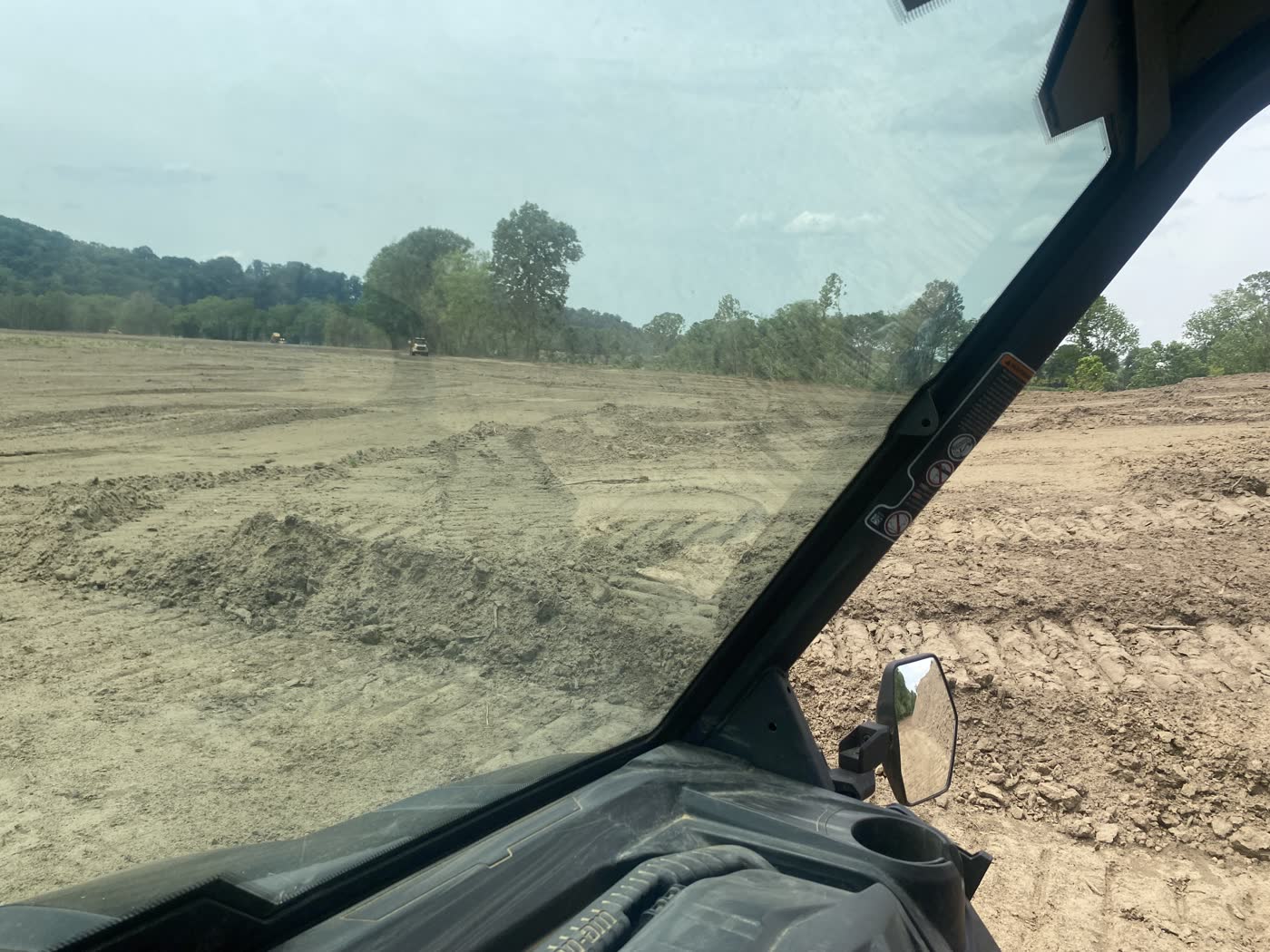
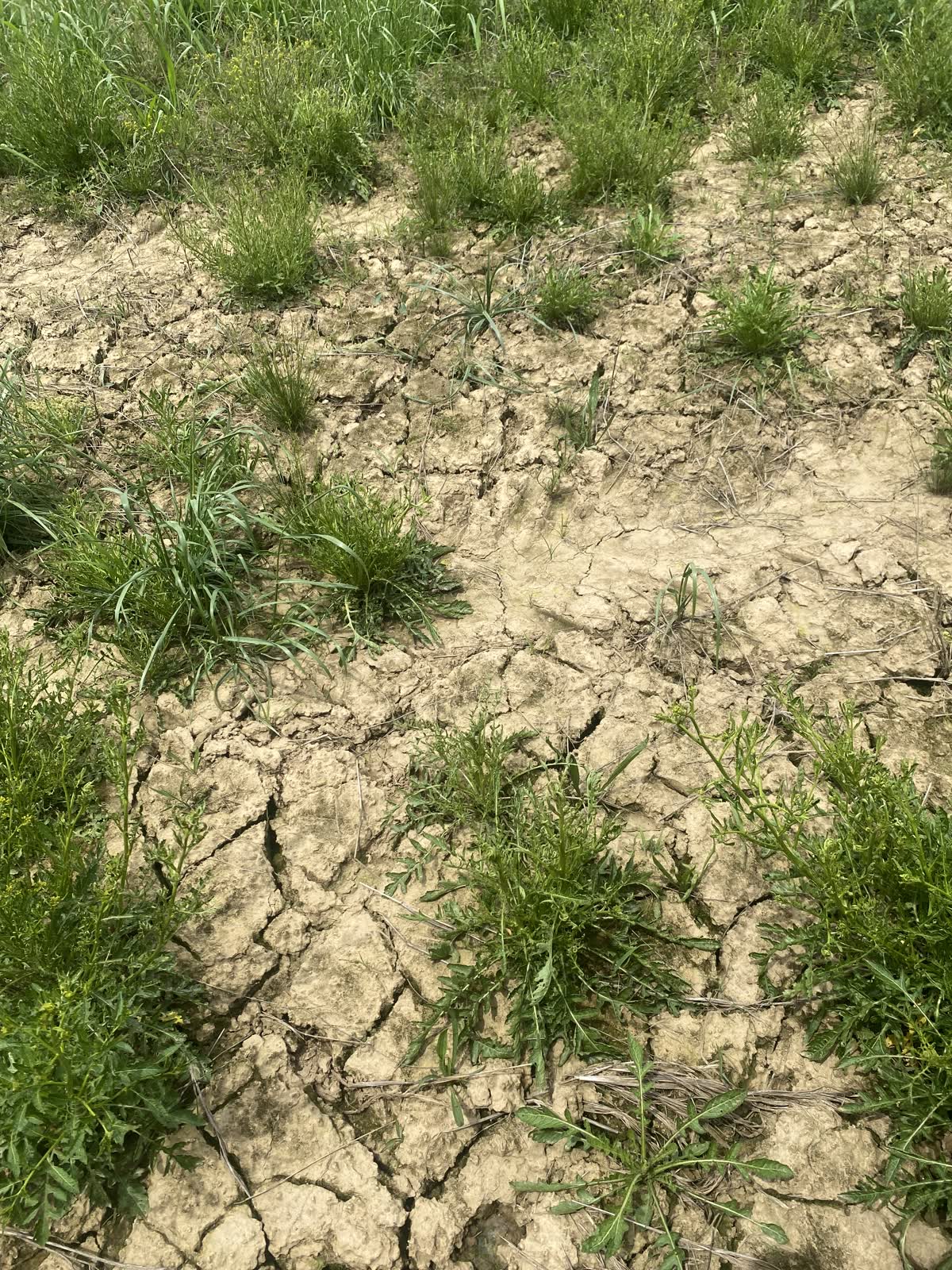
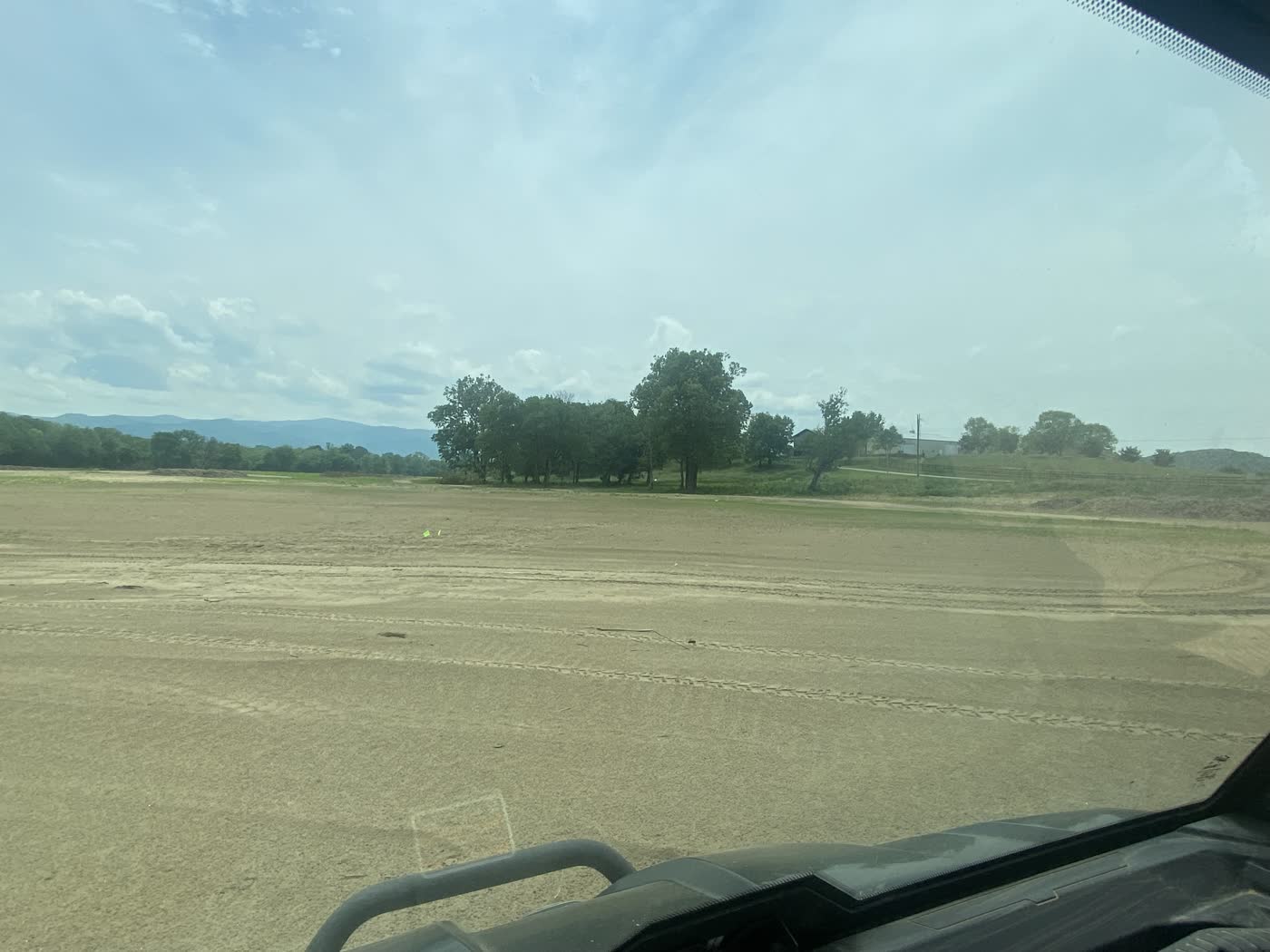
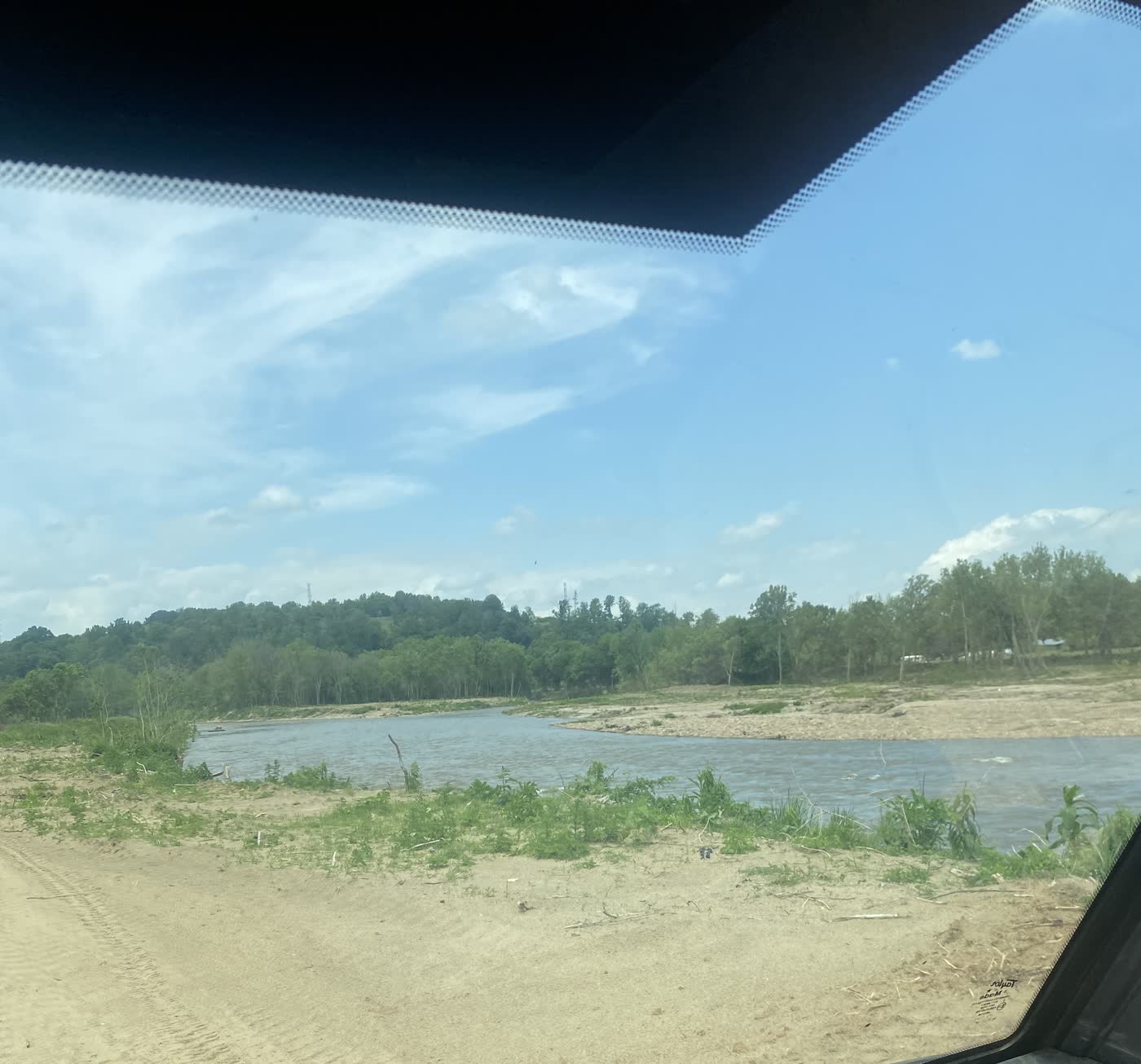
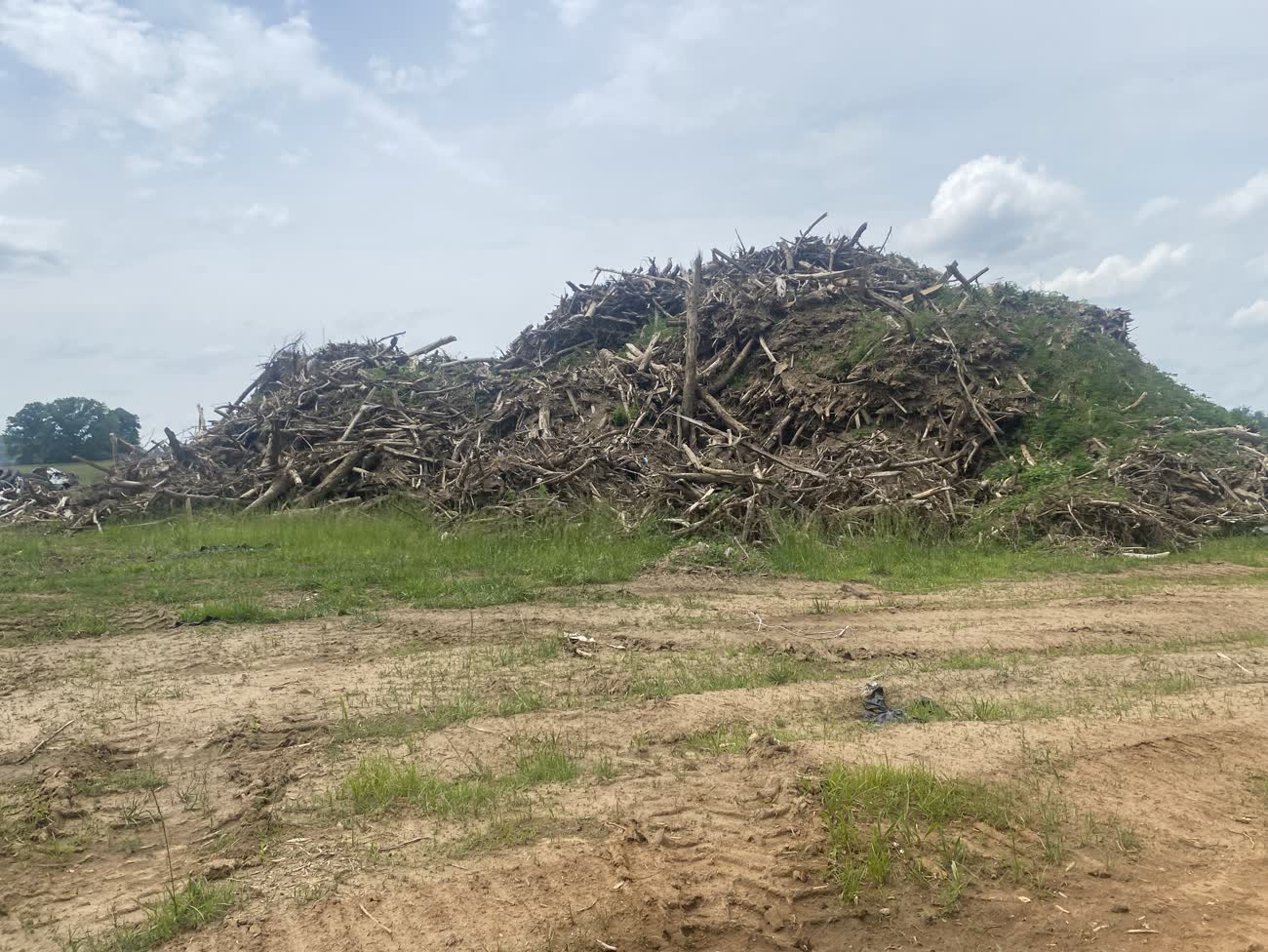
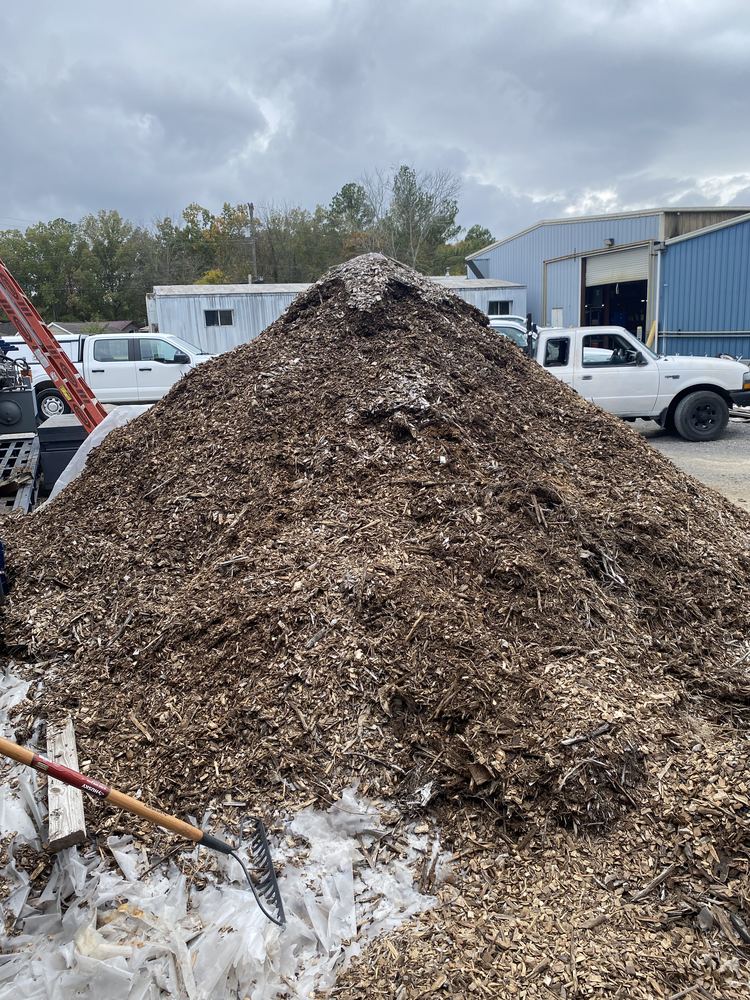
The pilot restores 100 acres damaged by Tropical Storm Helene (60.6 acres of silt, 39.4 acres of sand) using biochar sourced for the trial and blended with flood-debris wood chips, chicken litter and cow manure — targeting a 15–25% improvement in water retention alongside the yield and erosion goals above, with results tracked across a 33-plot trial through 2026. Future deployments can produce this biochar on-site with our mobile rotary kiln rather than bringing it in.
FROM THE SITE VISIT
Photos from our site visit to Runion Family Farm with Dr. Forbes Walker, documenting flood conditions on the ground before restoration work began.
DISASTER RELIEF
On-site power, water and debris removal, right after the storm
A single hurricane can generate more debris than an entire region's landfills were built to hold. Our trailer-mounted, mobile gasifier systems deploy directly to the disaster site — turning that debris into power, purified water and biochar on the spot, instead of trucking it somewhere else first.
THE SCALE OF THE PROBLEM
Debris volumes that overwhelm the trucks, roads and landfills meant to clear them
Clearing the 2011 Joplin, Missouri tornado — a single funnel, on the ground for 38 minutes — took more than 410 trucks a day, for months, hauling debris to landfills that were often already short on remaining airspace before the storm hit. Multiply that by a hurricane's footprint and the scale gets enormous fast:
Sources: FEMA, Congressional Research Service, NIST/Joplin damage survey, SWANA.
Debris reduction, on the ground
A single mobile unit is designed to take in on the order of 150 tons per day (TPD) of storm debris, sorting it to feedstock and gasifying it on-site — no trucks, no distant landfill, no waiting for disposal capacity to open up. A full ten-unit fleet scales that to roughly 1,500 TPD.
Power and clean water, off the grid
Each unit can run a generator in the hundreds of kilowatts off its own syngas — enough for sawmills, lighting and site equipment — alongside water purification, so a disaster site isn't waiting on outside fuel or utility restoration.
Biochar for the area's recovery
Char produced from cleared debris goes back into the ground — stabilizing riverbanks, restoring flood-damaged farmland and supporting contamination remediation in the same communities the disaster hit. See our farmland & riverbank restoration work →.
WHERE THIS IS GOING
An unsolicited bid to FEMA for a 10-unit fleet
W2E has submitted an unsolicited bid to FEMA to finance a ten-unit mobile fleet, purpose-built for post-disaster cleanup. The case for it is the numbers above: when a single storm can generate more debris than a region's landfills were built to hold, on-site processing and on-site power stop being a nice-to-have and become the fastest way to get a community functioning again.
A mobile unit that purifies water, cuts debris volume and makes its own power removes the two biggest post-disaster constraints — trucking and landfill capacity — at once, on-site, while leaving biochar behind for the same kind of farmland and riverbank restoration we're doing at Runion Family Farm.
FIELD & FACILITY
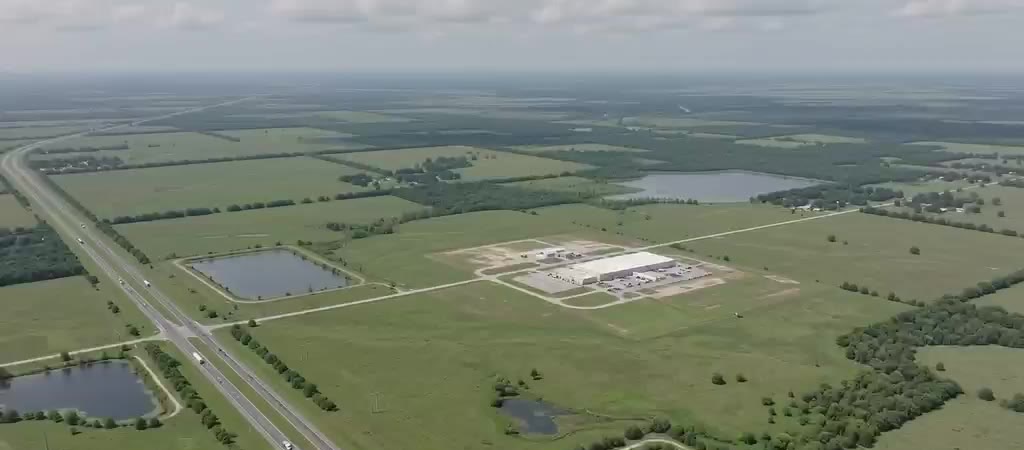
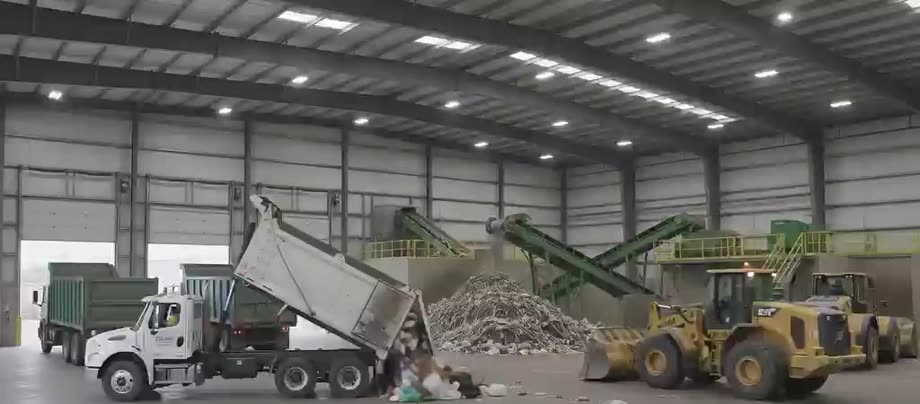
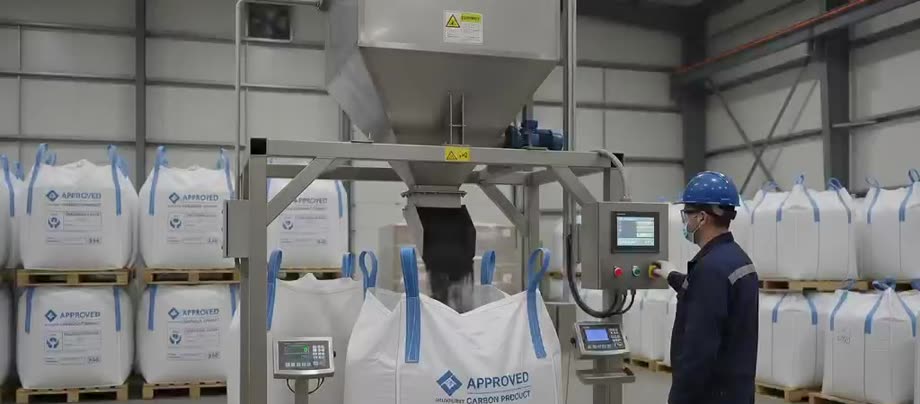
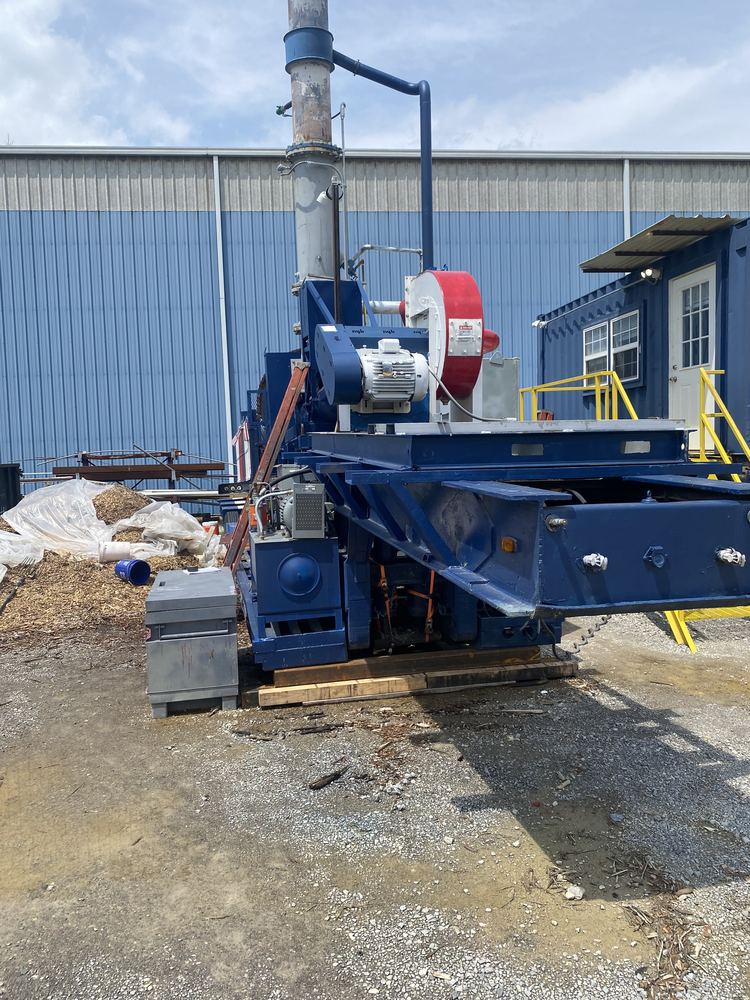
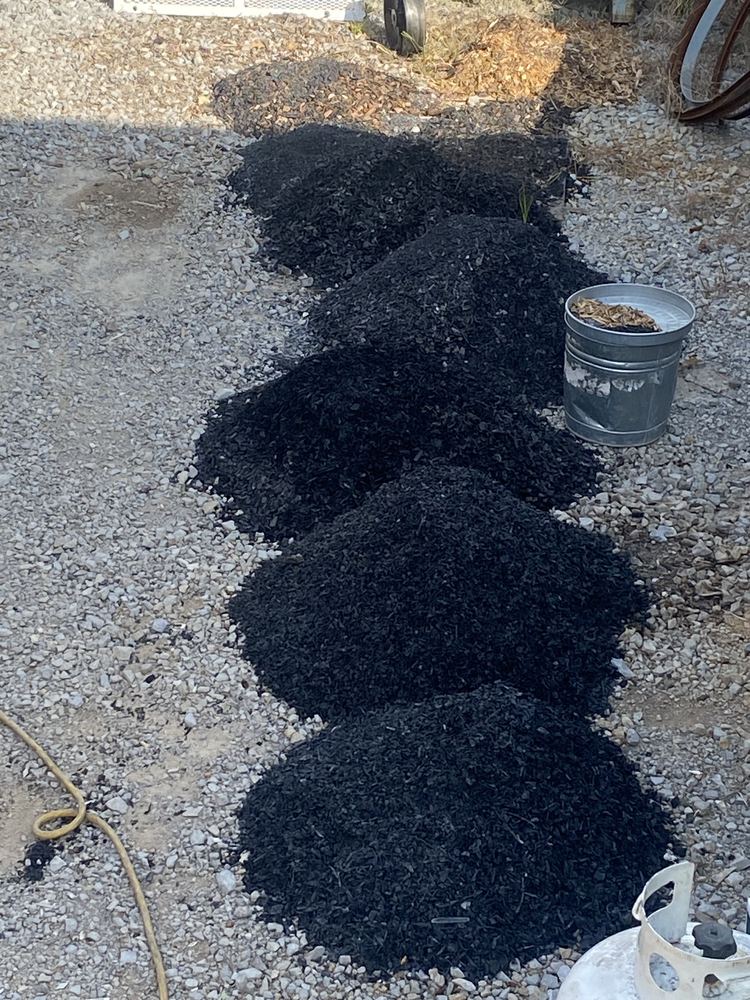
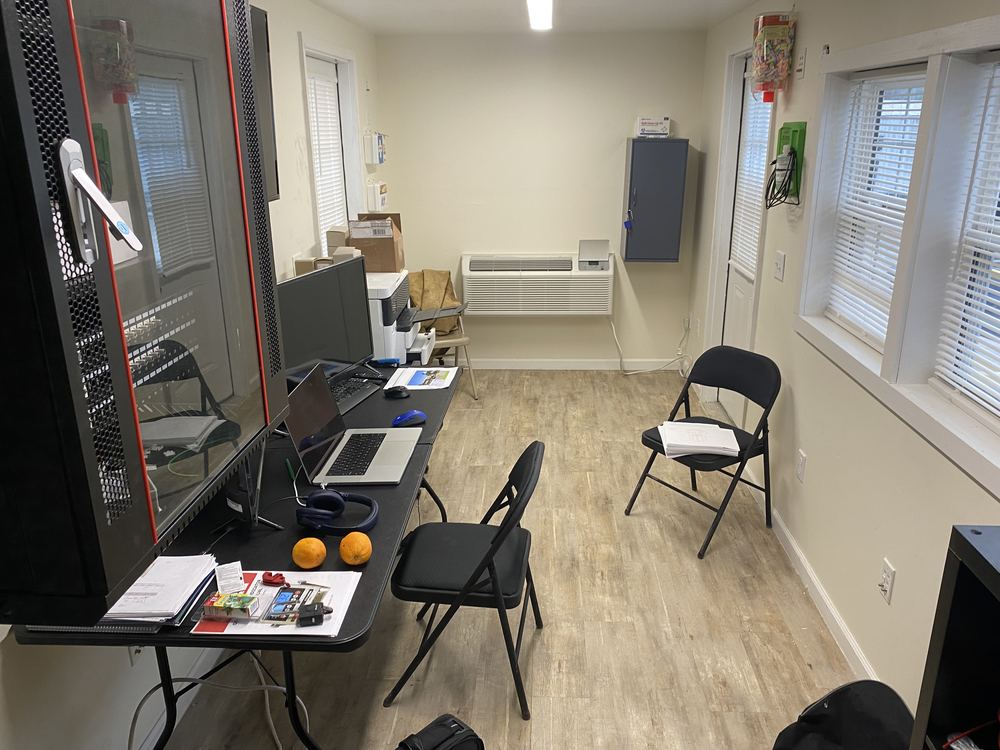
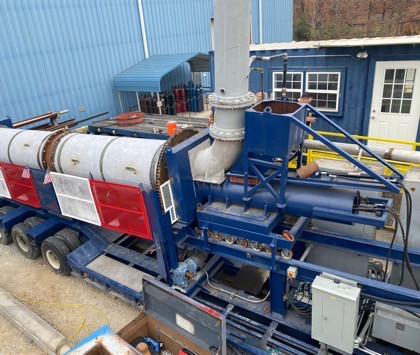
Not renderings — a site with trucks on it
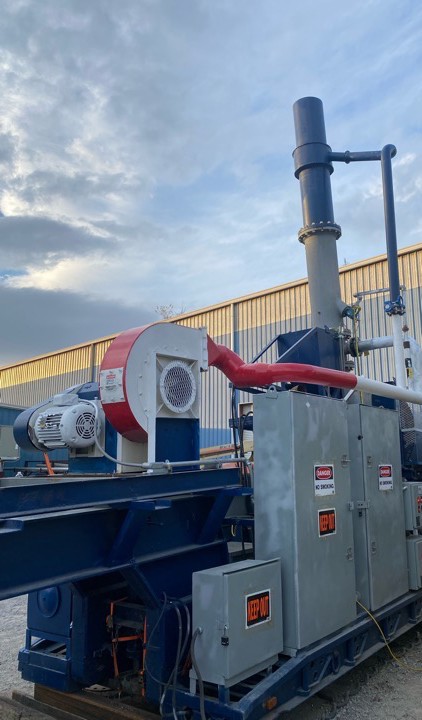
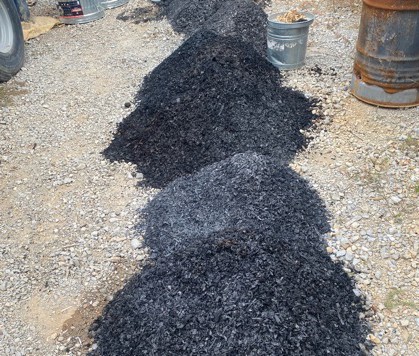
A look at the front end of the process: waste arriving, being sorted, and the finished carbon product being packaged for market.
Full process video — coming soon.
Site documentation produced with EISG, a WasteX sister company.
FIELD REFERENCE
Inez, Kentucky — proof the reactor runs
Before WasteX designed a system for a customer, our engineers built one. This plant is the reason our numbers aren't projections.
The Challenge
A private industrial client needed a commercial-scale system that could take in mixed municipal solid waste and reliably produce both electricity and recovered recyclables — not a pilot, a working plant.
The Engineering
Chief of R&D Paul E. Aiken and Principal Engineer Glenn M. Showers, PE — co-inventor of the patented process-control technology behind every WasteX system — designed, built and commissioned the plant, carrying the gasification process from Aiken's pilot-scale prototypes through to full 440 TPD commercial operation.
The Result
A 440 TPD facility running today, producing electricity and recovered recyclables for its owner. It's now the field reference WasteX sizes and de-risks every subsequent design against — from Port Arthur's refinery-adjacent facility to the Antigua regional hub.
Designed, built and commissioned by Paul E. Aiken (Chief of R&D) and Glenn M. Showers, PE (Principal Engineer, Energy 21 LLC). Owned and operated by a private industrial client — not WasteX. We're precise about that distinction; the projects below note whose they are, too.
WHERE WE'RE WORKING
Fourteen projects, one engineering approach
We currently have fourteen projects in development across the WasteX team — from a refinery-adjacent facility in Texas to a phased island-wide remediation program in the Caribbean. Three representative examples below.
A municipal-plus-refinery-waste facility designed to process refinery residue alongside household waste, producing power, tire-derived diesel and biochar on site — with a growth path into third-party waste intake from Louisiana and Texas, wind-blade recycling, and solar-paired power for data-center and battery-storage tenants.
A phased remediation and waste-to-energy program: Phase 1 stands up daily shred-bale-wrap of incoming MSW and tire-to-diesel operations; later phases add water production, biosolids and sargassum processing, on-site power for parasitic loads and data centers, and positioning the site as a regional Caribbean waste hub.
A trailer-mounted system owned by W2E USA, a WasteX sister company, built and tested for continuous operation — logged 14 straight days at 24 hours a day — proving the platform's reliability for remote and rapid-deployment use.
THE VISION
A planetary-scale platform, not another incinerator
WasteX exists to run the numbers, not to sell an ideology. Every design starts with mass balance, energy balance and unit economics — engineering-first and physics-driven, provable at commercial scale before it's ever proposed to a customer.
Waste-to-energy has a reputation problem, mostly earned by decades-old incineration technology and by projects sold on environmental sentiment instead of throughput data. WasteX is neither. Our systems are controllable, patented, and sized to what a site can actually generate, feed and finance.
The goal is a platform that scales from a single trailer-mounted unit responding to a disaster, to a regional hub processing waste for an island chain, to power infrastructure sized for industrial and data-center tenants — one underlying technology, applied at whatever scale the site calls for.